
Plumbing problems don’t give you a heads-up. They just happen. A pipe bursts, the toilet won’t stop, or water starts leaking under the sink out of nowhere. And in that moment, most people freeze. According to the EPA, leaks waste nearly 1 trillion gallons of water every year in the U.S.—a lot of that comes from situations that got out of hand fast. If you’re dealing with something like this, calling a plumber in Pasadena is the right move—but what you do before they arrive matters just as much.
Let’s keep this simple and real. You’re not trying to fix everything. You’re just trying to stop things from getting worse.
First Rule: Don’t Panic, Just Stop the Water
Seriously. Everything starts here.
When water is leaking or overflowing, your only goal at that moment is to stop the flow.
Think of it like a bucket overflowing. You don’t fix the bucket—you stop pouring water into it.
What usually works:
Turning off the nearest shut-off valve
If you can’t find it, shutting off the main water line
What often fails:
Running around looking for tools
Trying to “fix” the leak while water is still flowing
I’ve seen people waste 10–15 minutes trying random things instead of just turning off the water. That’s where most damage happens.
Where Is the Shut-Off Valve
If you don’t know where your shut-off valve is, you’re not alone. Most people don’t—until it’s too late.
Common spots:
Under sinks
Behind toilets
Near the water heater
Outside near the meter
Turn it clockwise. That’s it.
My honest opinion? Every homeowner should locate this before an emergency. It’s one of those small things that makes a huge difference.
Step Two: Control the Mess (Because It Spreads Fast)
Once the water is off, the next problem is the mess already created.
Water spreads faster than you think. It gets under floors, into cabinets, behind walls.
What usually works:
Towels, lots of them
Buckets to catch drips
Moving furniture or items out of the way
What people underestimate:
How much damage even a small amount of water can do.
If you’ve got time, check out how to minimize damage while waiting—because honestly, that part saves you the most money.
Step Three: Open a Faucet
This sounds small, but it helps.
After shutting off the water, open a faucet somewhere in the house.
Why it works:
It releases pressure from the pipes and drains leftover water.
Think of it like opening a soda bottle slowly so it doesn’t explode.
What people usually skip:
This step. And then they wonder why water keeps dripping.
Let’s Talk About Real Emergencies
Not all plumbing problems are the same. Some you can manage. Some you just contain.
Burst Pipe
This one is bad. No way around it.
What usually works:
Shut off main water immediately
Open faucets to drain the system
Use towels or buckets fast
What often fails:
Trying to tape or patch it quickly
I’ve seen people try duct tape. It almost never holds under pressure.
My take? Don’t waste time fixing it yourself. Just control the water and wait for a pro.
Overflowing Toilet
This one causes panic every time.
What usually works:
Lift the tank lid
Push the flapper down
Turn off the valve behind the toilet
What people always do wrong:
Flush again.
I don’t know why, but people do it hoping it “clears.” It usually makes things worse.
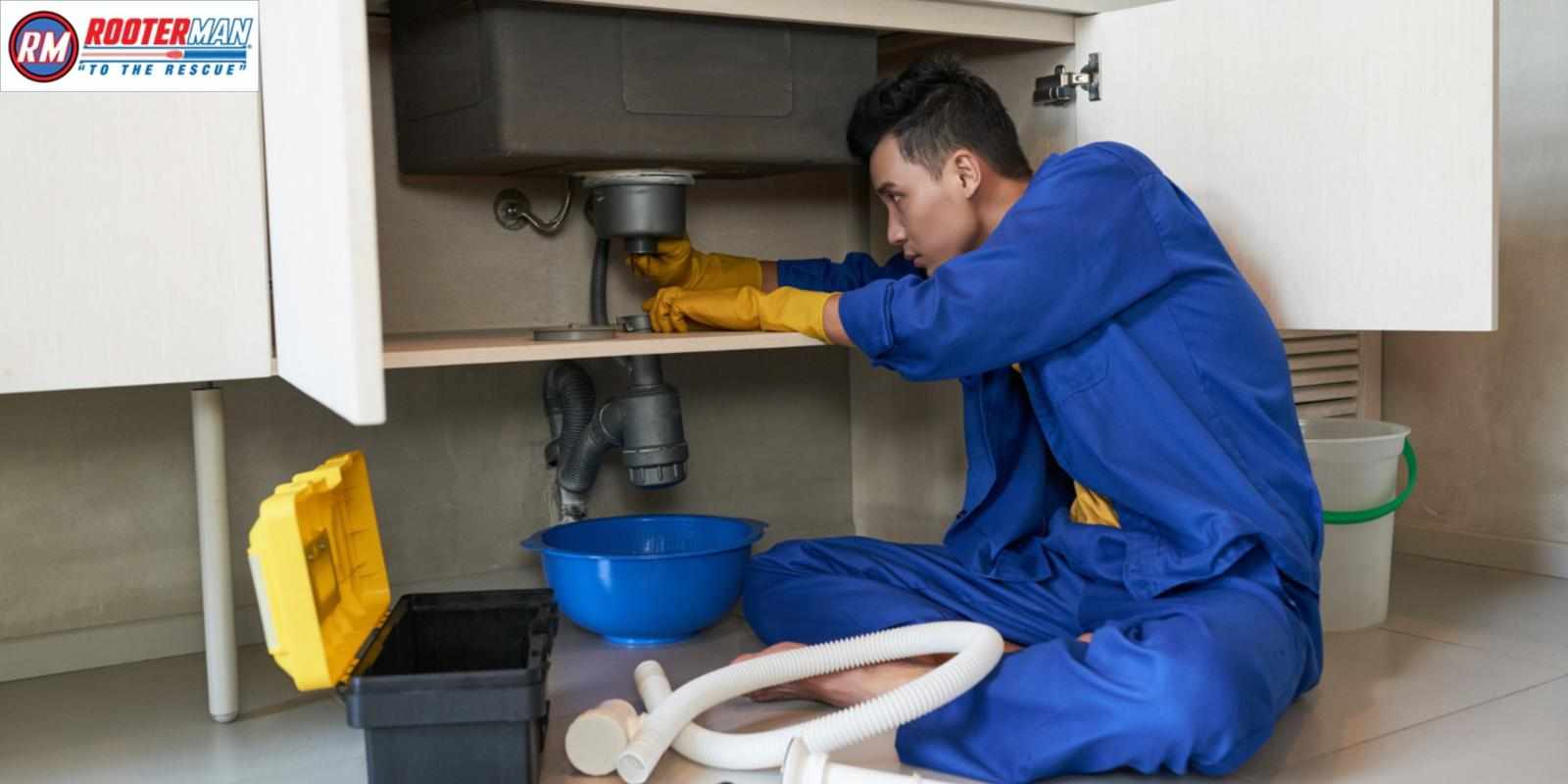
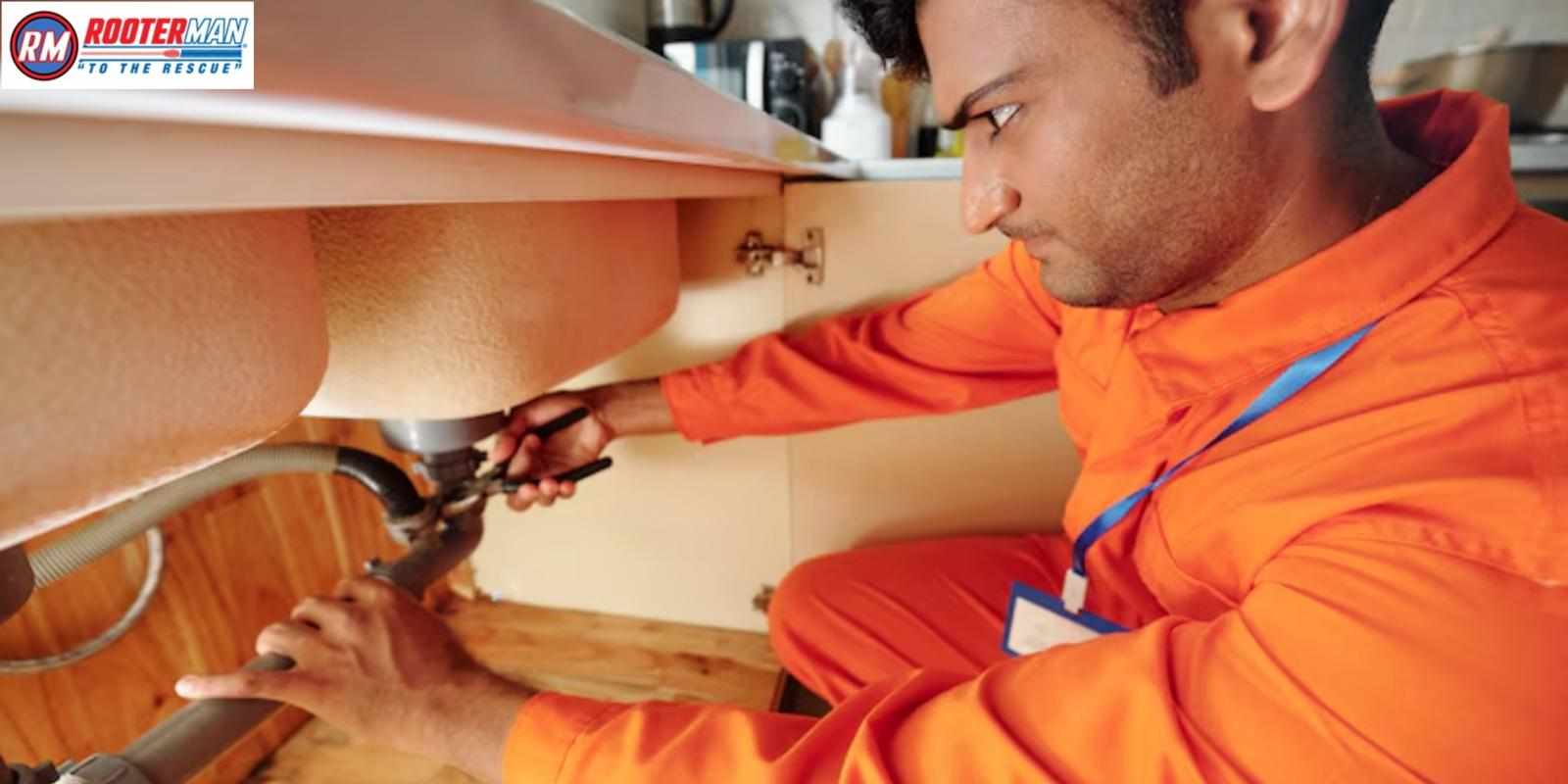
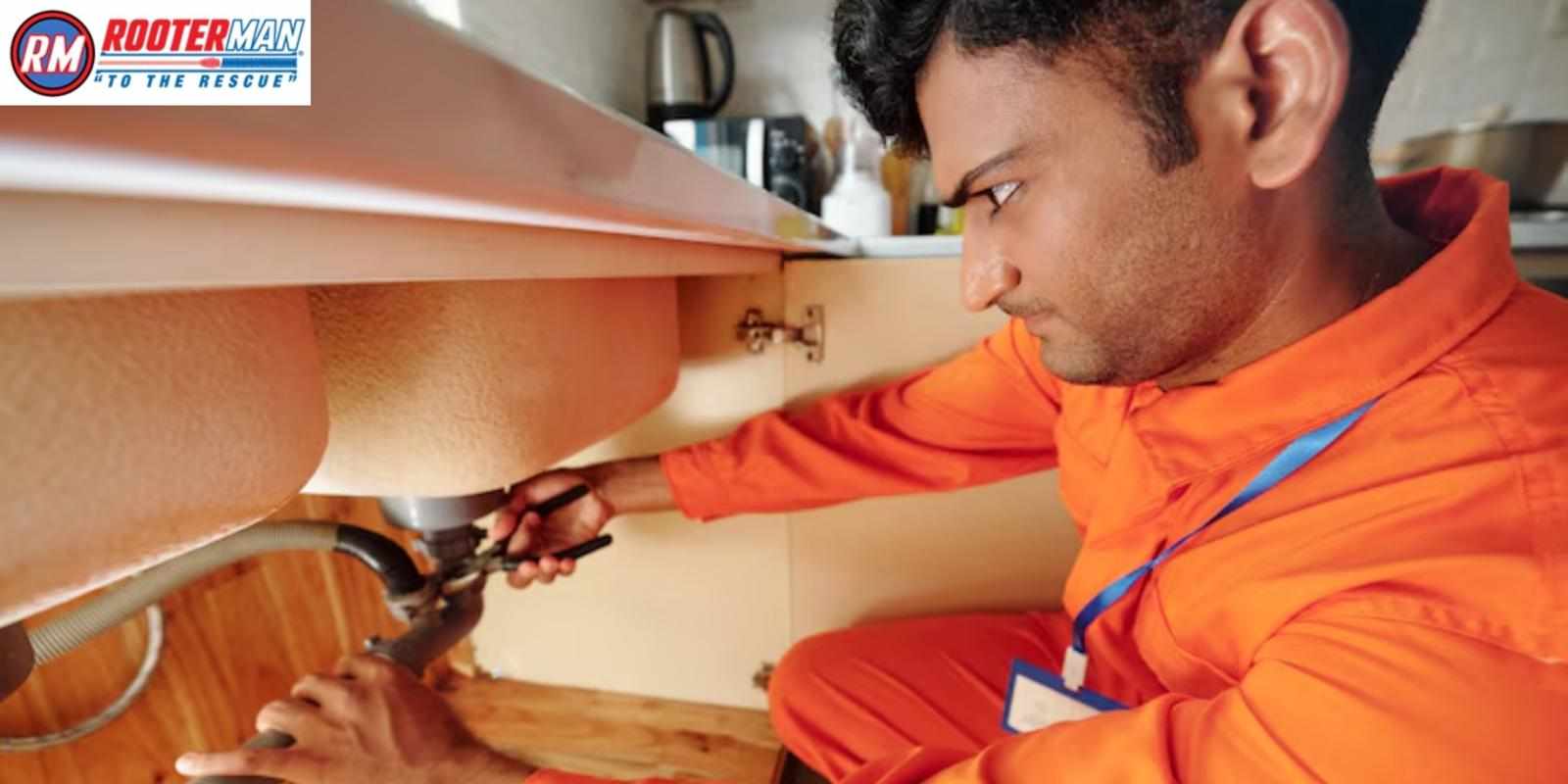
Leak Under the Sink
This one looks small… until it isn’t.
What usually works:
Turning off the valve under the sink
Tightening loose connections
Catching water in a bucket
What often fails:
Ignoring it because it’s “just dripping”
Leaks almost never stay small.
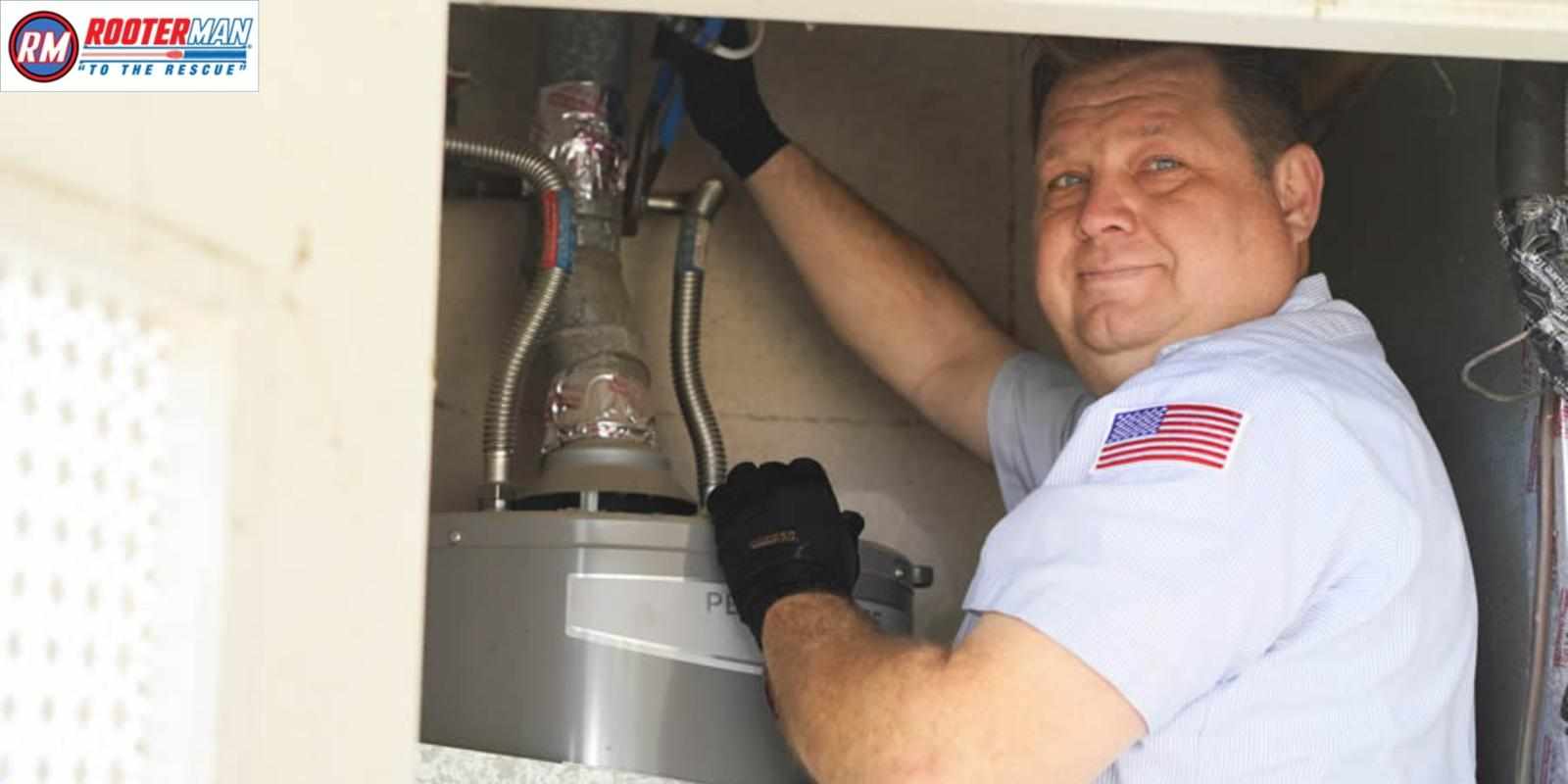
Water Heater Issues
These are tricky.
What usually works:
Turning off water supply
Turning off power or gas
What often fails:
Trying to repair it without knowing what you’re doing
My honest judgment here:
Water heaters are not a DIY situation. Too many risks. Leave it to a professional.
What NOT to Do
Sometimes people make things worse trying to help.
Avoid this:
Don’t use chemical drain cleaners
Don’t keep flushing clogged toilets
Don’t ignore leaks hoping they stop
Don’t use random tools that don’t belong
Quick fixes feel good in the moment. They usually don’t last.
Quick Reality Check: DIY vs Call a Plumber

Simple rule:
If it’s spreading, repeating, or getting worse—call a plumber
A Real Situation
Someone had a slow leak under the sink. Nothing serious.
They put a bowl under it and moved on.
Weeks later, the pipe failed completely.
Water damaged the cabinet, flooring, and part of the wall.
This is how most plumbing problems grow. Quiet at first. Expensive later.
What Actually Helps (Simple Stuff That Works)
No fancy tricks here.
Know where your shut-off valve is
Act fast when something leaks
Don’t ignore small problems
Keep basic tools nearby
Call for help when needed
That’s it.
My Honest Opinion
Here’s what I’ve noticed over time:
Plumbing emergencies aren’t usually the real problem. Delay is.
People wait. They try quick fixes. They hope it stops.
That’s what turns a small issue into a big one.
If you act fast—even if you don’t fix it—you usually avoid the worst damage.
Final Thoughts
When plumbing goes wrong, it feels stressful. But the steps are simple.
Stop the water. Control the mess. Don’t overthink it.
You don’t need to fix everything. You just need to buy time until help arrives.
And when things are clearly beyond a quick fix, calling a professional is always the safer move.
Key Takeaways
Shut off water first—always
Control the spread of water quickly
Simple steps prevent bigger damage
Quick DIY fixes don’t always work
Some problems need a professional right away
Acting fast matters more than acting perfectly

Write a comment ...